

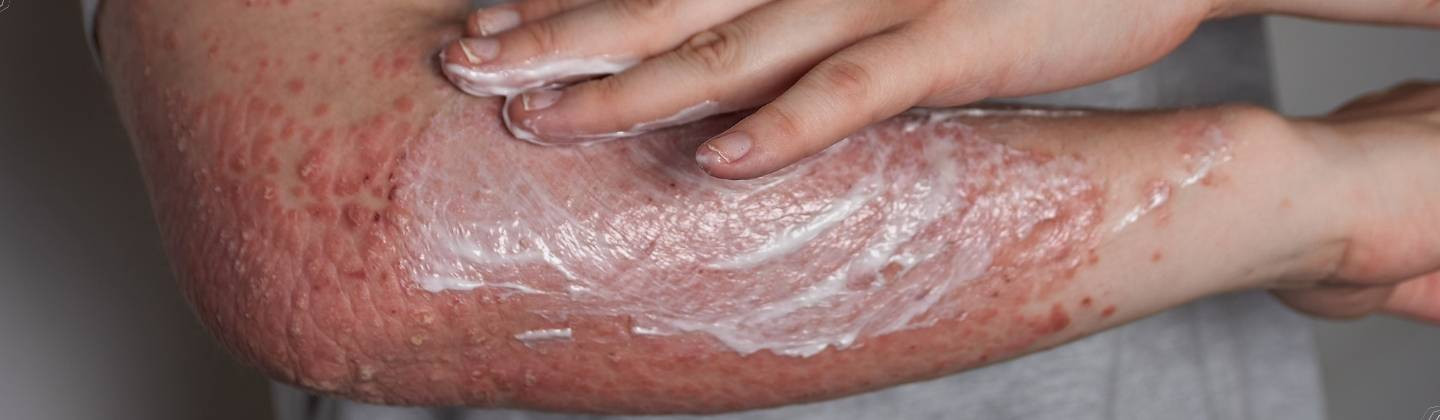
Psoriasis, as a chronic inflammatory skin condition, demands topical solutions that are both effective and gentle. For manufacturers looking to develop impactful medical skincare treatments, a zinc oxide cream for psoriasis has become a central focus.
This active ingredient offers vital soothing and protective properties for irritated skin. Market demand for effective psoriasis care products containing zinc oxide is high, driven by the mineral's ability to reduce inflammation and protect overall skin health.
This article explores the technical and quality considerations for formulating specialized zinc oxide products within a B2B context.
Zinc oxide is a highly valued ingredient in dermatology for its ability to form a physical protective barrier, shielding the skin from external friction and moisture. Crucially, it possesses significant anti-inflammatory and antimicrobial properties.
In psoriasis, where inflammation is a core issue, zinc oxide helps calm the overactive immune response, reducing redness and promoting a better healing environment for psoriatic plaques. The benefits of incorporating high-grade zinc oxide into specialized psoriasis treatment formulas are evident for companies aiming to innovate in the medical skincare field.
Creating a successful zinc oxide cream for psoriasis formula requires a scientific approach to concentration, the vehicle (base), and synergistic ingredients.
The concentration of zinc oxide must be carefully calibrated. While daily protective creams might use 2%–5%, a product targeted at active psoriasis may require a higher concentration, often between 10%–20%.
This higher level is necessary to create a more substantial protective barrier and deliver an effective anti-inflammatory dose. Formulators must balance this efficacy with cosmetic elegance to ensure the product is acceptable for regular end-user application.
The purity and particle size of the zinc oxide are also critical factors, influencing both spreadability and effectiveness.
The cream's base is just as important as the active ingredient. Psoriatic skin is notoriously sensitive, prone to dryness, and easily irritated. Therefore, the base must be highly emollient, non-comedogenic, and free from common irritants.
Ideal bases include rich ointments or thick water-in-oil emulsions that provide an occlusive layer.
The selected base must facilitate the smooth, even application of zinc oxide, ensuring the soothing and protective benefits reach the target area without causing further irritation. Optimizing the base is crucial for providing effective psoriasis relief.
To create a more advanced product, formulators can combine zinc oxide with supportive ingredients. Humectants (like glycerin) can help counteract dryness.
Additional anti-inflammatory agents, such as colloidal oatmeal, can work synergistically with zinc oxide to amplify the soothing effect.
Furthermore, mild keratolytic agents can help soften and shed the excess scales typical of psoriatic plaques. This layered approach ensures comprehensive care for skin health.
Scaling a successful formula involves strict adherence to production and regulatory requirements.
Since zinc oxide is an insoluble powder, uniform dispersion is a significant manufacturing challenge. Poor dispersion reduces efficacy. We must employ high-shear mixing equipment to ensure particles are evenly suspended and stable throughout the product’s shelf life.
Rigorous stability testing guarantees the product maintains its physical characteristics and chemical potency, ensuring product consistency for the end consumer.
Products positioned for psoriasis symptom relief often require adherence to strict Good Manufacturing Practice (GMP) guidelines. Documentation must verify the purity and source of the zinc oxide.
We must ensure that all labeling and usage claims are substantiated by scientific evidence and comply with the regulatory body in the target market. A meticulous regulatory adaptation process is essential for market success.
Developing a high-performance zinc oxide cream for psoriasis presents a major opportunity for skincare manufacturers targeting the chronic skin care market.
By focusing on optimal concentration, advanced, skin-friendly bases, and integrating supportive actives, you can deliver a product that meets the clinical needs of individuals with psoriasis.
If you are looking to secure a reliable, high-purity source of zinc oxide for your specialized skin health formulations, we encourage you to contact Indo Lysaght.
We supply pharmaceutical-grade raw materials essential for manufacturing compliant and highly effective medical skincare products.
