

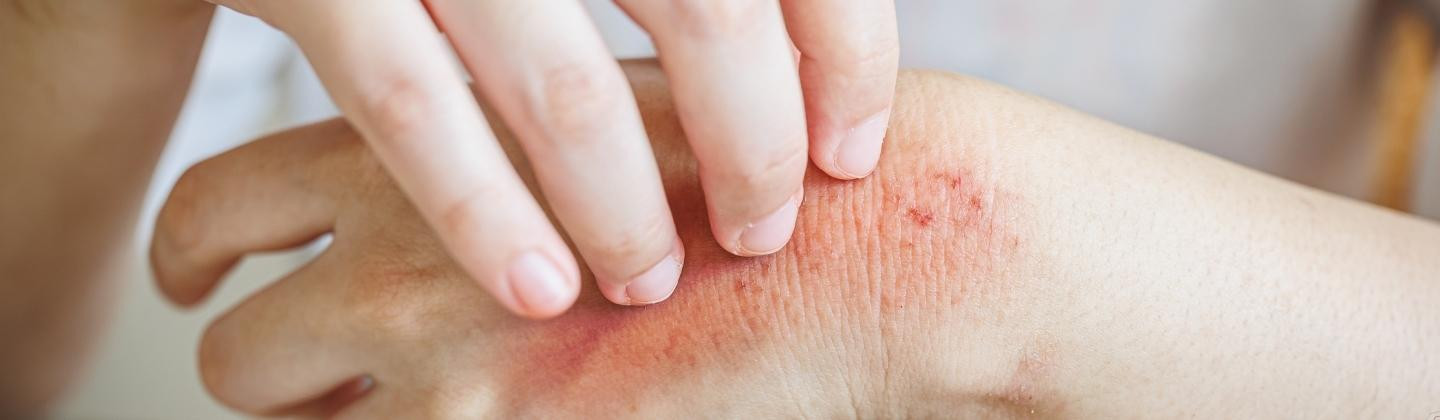
When developing high-quality skincare products, choosing the right active ingredients is the foundation of success. For manufacturers focusing on infant care, zinc oxide for nappy rash remains a staple ingredient due to its long-standing reputation for safety and effectiveness.
Finding a balance between gentle care for sensitive skin and a powerful protective barrier is essential. In today’s competitive market, incorporating reliable components like zinc oxide ensures that your formulations meet the high standards parents expect while maintaining product stability.
Formulating a product that effectively addresses nappy rash requires an understanding of the environment it must work in. It is not just about healing the skin; it is about managing the external factors that cause distress.
The primary challenge in nappy care is the presence of constant moisture. Prolonged exposure to wetness can weaken the skin's natural defense, making it more susceptible to damage.
A successful formulation must be able to stay in place even in high-moisture conditions, ensuring that the skin remains protected from further irritation.
Beyond moisture, friction is a significant contributor to discomfort. The constant movement of a diaper against delicate skin can lead to redness and chafing.
For product developers, the goal is to create a cream or ointment that provides enough "slip" to reduce friction while leaving a lasting layer of protection that doesn't rub off easily.
Integrating zinc oxide for nappy rash into your production line offers several functional advantages. It is a versatile mineral that provides more than just a simple coating; it enhances the overall performance of the topical application.
One of the most important roles of our formulations is to create a physical wall between the skin and external irritants.
Zinc oxide is excellent at this. It sits on top of the skin, reflecting away moisture and preventing harmful substances from making direct contact.
This barrier is what makes zinc oxide for nappy rash the go-to solution for many successful skincare brands.
While protection is key, comfort is what builds consumer trust. Zinc oxide has natural properties that help soothe the skin on contact.
By reducing the heat and redness associated with irritation, it helps provide immediate relief. This makes it an ideal choice for products intended for frequent use on sensitive areas.
From a manufacturing perspective, the stability of a formulation is just as important as its efficacy. Zinc oxide for nappy rash is valued for its shelf-life and how well it blends with other emollients and oils.
It allows us to create thick, creamy textures that remain stable over time, ensuring that the end-user gets the same high-quality experience with every application.
Explore how zinc oxide is applied across various skin care product innovations to support effective formulation development. Using the right grade of this mineral allows us to push the boundaries of what a protective cream can achieve.
Creating a market-leading nappy care product requires a partner who understands the science behind the ingredients. At Indo Lysaght, we specialize in producing high-purity zinc oxide that meets the rigorous demands of the pharmaceutical and cosmetic industries.
We understand that your reputation depends on the quality of your raw materials. By choosing our zinc oxide for nappy rash solutions, you are ensuring that your final product is backed by a reliable, high-performing ingredient that delivers results.
Let us help you elevate your formulations with the quality and consistency your brand deserves.
