

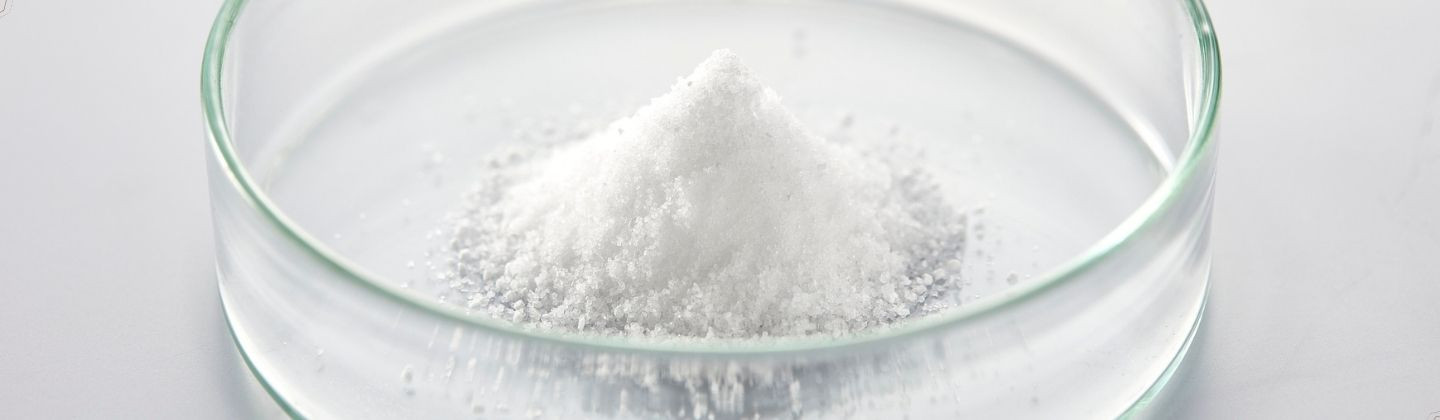
Efficiency and cost control in gold recovery hinge on one critical input: zinc powder for gold. In the Merrill-Crowe process, the right grade of zinc determines how completely dissolved gold is precipitated, how cleanly the filter cake forms, and how much reagent is consumed per ounce recovered.
Selecting the optimal zinc powder for gold is therefore a strategic decision for any operation seeking consistent recovery and predictable operating costs.
The Merrill-Crowe circuit turns a clarified, cyanide-bearing solution into a filterable gold precipitate through controlled cementation. Each stage relies on precise chemistry, and zinc powder for gold is the reductant that drives the final precipitation step.
Before zinc is introduced, the pregnant leach solution is clarified to remove suspended solids that could coat zinc particles or clog filters. A clean solution ensures maximum contact between zinc surfaces and dissolved gold complexes, improving both kinetics and recovery.
Oxygen competes with gold for electrons and accelerates zinc consumption through side reactions. Deaeration lowers dissolved oxygen, reducing unnecessary zinc loss and hydrogen evolution, which in turn improves the efficiency of gold cementation.
When zinc powder for gold is added, metallic zinc oxidizes at the particle surface, releasing electrons. These electrons transfer to gold–cyanide complexes in solution, initiating the reduction of dissolved gold to its metallic state.
Through this contact reduction, gold ions are converted into solid gold that deposits onto and around zinc particles. The reaction forms a mixed precipitate of gold, silver (if present), and zinc compounds that can be separated from the barren solution.
The Zn/Au precipitate is captured on filter presses, washed, and then treated—often with acid—to dissolve excess zinc before smelting to doré. A well-graded zinc powder for gold produces a porous, filter-friendly cake that drains efficiently and minimizes re-handling.[
Not all zinc powders perform equally in Merrill-Crowe circuits. Specifications should align with solution chemistry, throughput, and recovery targets to avoid overconsumption or poor precipitation.
High metallic zinc content ensures strong reducing power and predictable stoichiometry. Verify both total zinc and active metallic zinc to gauge how much of the powder will participate in gold cementation versus inert or oxidized fractions.
Finer particles react faster but may increase slimes and filtration resistance; coarser grades improve filterability but can slow kinetics. Match particle size distribution to your deaeration efficiency and residence time to balance reaction rate and solids handling.
Trace elements such as lead can influence hydrogen evolution and deposition efficiency, while other impurities may contaminate the precipitate or interfere with downstream refining. Confirm that impurity profiles meet your plant’s metallurgical and environmental constraints.
Solution temperature, cyanide strength, silver content, and flow rates all affect zinc demand. Select a grade of zinc powder for gold that maintains stable performance across your operating window without excessive dosage or frequent adjustments.
Consistent gold recovery in Merrill-Crowe depends on precise control of clarification, deaeration, and cementation with zinc powder for gold as the key reagent.
By aligning zinc specifications with process conditions, operations can improve recovery, reduce reagent costs, and stabilize filter performance.
For reliable supply and technical support tailored to Indonesian and regional mining operations, we recommend products from Indo Lysaght, a globally trusted manufacturer of zinc oxide and zinc dust known for high quality standards and sustainable business practices.
