

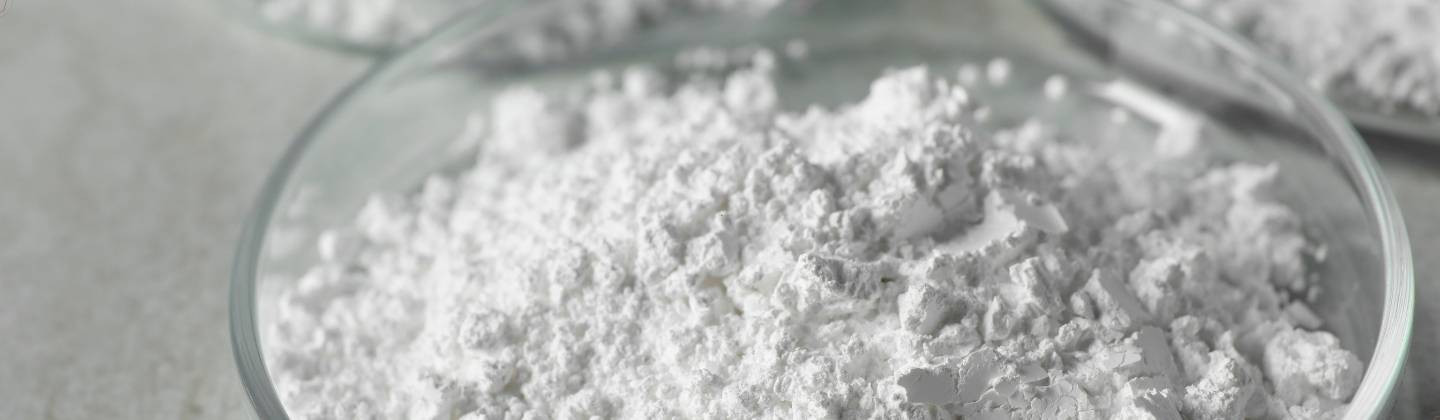
Zinc dust is a critical component in various high-performance coatings and chemical reactions. However, to get the best results in a professional setting, you must ensure the material is at its peak reactivity.
Knowing how to activate zinc dust is essential for ensuring that your industrial applications, whether for corrosion protection or chemical synthesism, perform as expected.
When the powder is properly prepared, it creates a much stronger bond and provides better protection for the surfaces you are treating.
In a professional manufacturing environment, "activation" isn't just a technical term; it is a necessary step to ensure the raw material performs its job effectively.
Essentially, you are waking up the metal so it can interact with other elements.
At its core, activating zinc dust means increasing its ability to react. Raw zinc often develops a thin, dull layer on its surface due to exposure to air. By learning how to activate zinc dust, you are stripping away that inactivity.
This allows the zinc particles to donor electrons more freely, which is vital for processes like gold recovery or the formulation of zinc-rich primers.
The biggest obstacle to performance is the "oxide layer." When zinc sits in storage, it naturally reacts with oxygen to form a protective skin. While this skin prevents the whole pile from oxidizing, it also acts as a barrier during use.
Activation breaks down this barrier, exposing the pure, shiny metal underneath so it can do its work without interference.
Preparation is about consistency. In large-scale operations, you need every batch of material to behave the same way.
Activating the dust ensures that the surface area of every particle is accessible. This leads to a more uniform mix in coatings and more predictable results in chemical manufacturing.
The process of how to activate zinc dust requires precision and the right environment to avoid re-oxidation. Here is a common professional workflow used to get the material ready for production.
The first step involves removing any contaminants that might have gathered on the powder. This often involves using a mild acidic wash or specialized solvents.
This step ensures that when you apply further treatments, they are hitting the metal itself rather than oils or dust that might have accumulated during transport or handling.
Once clean, the zinc is often treated to fully "open" the surface. This can be done through chemical etching, where a specific solution removes the oxide layer.
Alternatively, controlled heat treatments in an oxygen-free environment can help prepare the particles. This is the most technical part of how to activate zinc dust, as it requires careful monitoring to ensure the particles don't clump together or become too hazardous.
The final stage is ensuring the powder stays active until it hits the production line. This involves drying the material and often keeping it under an inert gas or mixing it immediately into a liquid carrier.
After activation, the zinc dust is ready to be used in industrial processes, providing maximum efficiency and superior protection against rust.
Understanding how to activate zinc dust is the difference between a standard coating and a premium, long-lasting industrial finish.
For organizations looking for high-quality materials that respond well to these processes, we recommend sourcing from trusted manufacturers like Indo Lysaght.
As a leading producer, Indo Lysaght ensures that our zinc dust products are manufactured with the highest purity standards, making the activation process smoother and more effective for your specific industrial needs.
By choosing our high-grade zinc, you ensure that your projects are backed by durability and professional excellence.
