

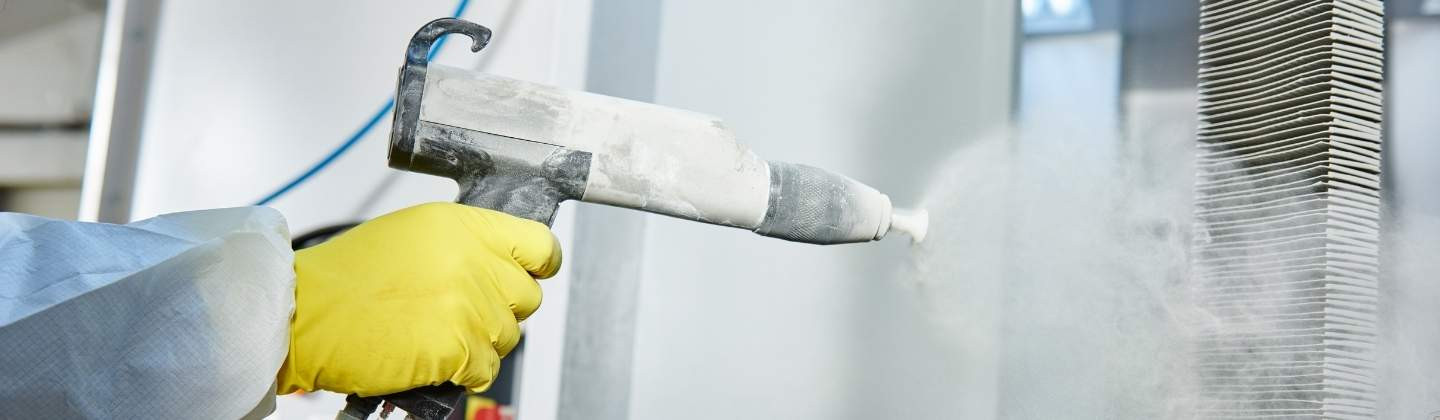
Selecting the right protective foundation determines the long-term integrity of heavy industrial assets. Exposed steel surfaces in manufacturing and construction environments face relentless threats from moisture, humidity, and chemical exposure, which inevitably lead to oxidation.
Utilizing high-quality metal primer paint is the most effective strategy to stop corrosion at the source, ensuring that your structural components remain durable and perform optimally under demanding operational conditions.
A robust anti-corrosion strategy requires a systematic approach, where the primer serves as the critical initial interface between the raw steel and the environment.
As the primary defense, a specialized primer creates a chemically stable barrier. By sealing the surface, it blocks the pathways that allow rust-inducing elements to penetrate the base metal.
Application of a quality primer ensures that subsequent layers of topcoats adhere seamlessly. This preparation phase is essential for creating a uniform surface profile, preventing premature peeling or blistering of the paint system.
Superior adhesion is non-negotiable in industrial settings. We formulate our coatings to ensure that the metal primer paint anchors deeply into the steel substrate, providing a steadfast foundation that resists mechanical stress and vibration.
The chemical composition of your primer dictates the lifespan of your steel structures. By establishing a passivating layer, the primer significantly slows down the electrochemical processes that cause corrosion, effectively extending the maintenance intervals for your assets.
Industrial environments demand more than aesthetic finishes; they require functional reliability. Using a high-performance metal primer paint ensures that your infrastructure maintains its structural capacity, reducing the risk of failure in harsh operational environments.
To elevate the protective properties of our coatings, we integrate high-purity zinc dust into our formulations. This technical choice is central to achieving industry-leading durability.
Zinc dust functions as a sacrificial anode within the coating matrix. Even if the coating surface is slightly damaged, the zinc particles prioritize corrosion to protect the underlying steel, a process known as galvanic protection.
The density of zinc particles within the primer creates a reinforced barrier. These particles provide a secondary layer of security that traditional primers often lack, making it a preferred choice for offshore or high-humidity structural steel applications.
The efficacy of these coatings relies on the particle size and purity of the zinc used. We ensure our primers are manufactured with precise zinc distribution to maintain consistent film thickness and predictable protective performance across large-scale projects.
Investing in advanced coating technology is essential for safeguarding your industrial infrastructure against environmental degradation. Whether your project involves complex structural frames or heavy machinery, selecting the right material is the first step toward long-term asset management.
For projects requiring the highest standards of durability and technical reliability, Indo Lysaght offers specialized solutions designed to meet the rigorous demands of professional steel preservation and anti-corrosion coating.
