

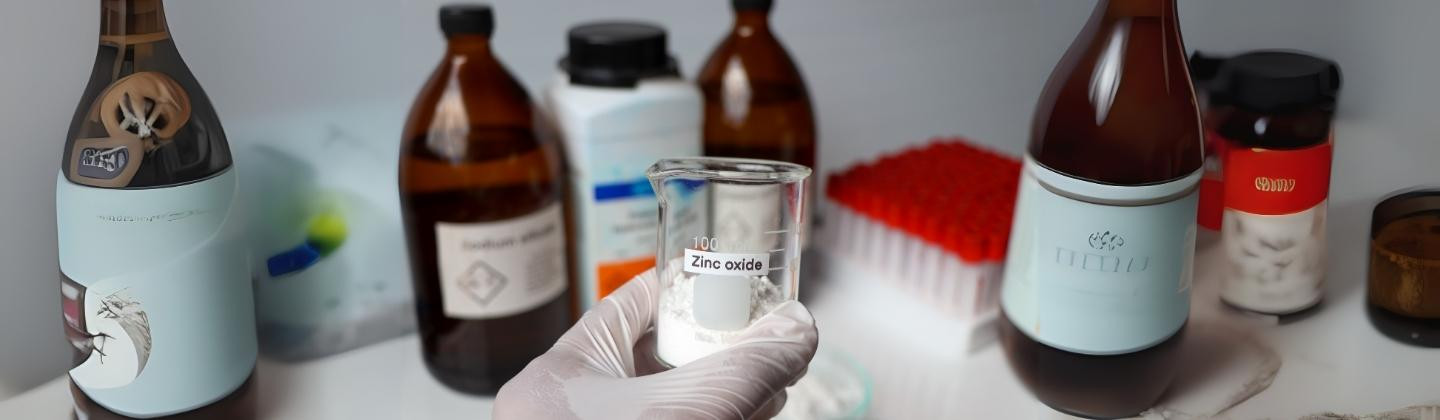
Sunblocking is considered one of the advanced praise which zinc oxide can cause because it blocks both kinds of ultraviolet rays incident on the skin. However, the effectiveness and safety of different pure zinc oxide products will vary according to the raw materials used.
Such stringent quality standards prescribed under the exemptions for manufacturers would ensure consumers enjoyed the required reliability and long-lasting protection in the sun block products manufactured.
Zinc oxide raw materials’ quality standards are of great importance because they impact the performance and longevity of the final products and their safe usage.
Thus, the quality of zinc oxide is very important for various industries from pharmaceuticals and cosmetics to rubber and so on since it has a direct relevance to the success of the products.
For example, in the case of pharmaceuticals, it is used in ointments and creams in its virgin state to avoid any side effects.
Easily said, anything that could incorporate chances of having acrid or dank zinc oxide worn through the rubber could potentially lead to rubbers that tire or fray, marmalize notably worse that the depression spree that one could go into depression from later on at the worst case.
Not only do these quality standards meet the requisites of the aforementioned regulatory bodies, but also make sure that the clients’ health and safety concerns are met with regard to the finished goods.
Several key quality parameters are crucial for determining the suitability of zinc oxide for various applications. These parameters include purity levels, particle size distribution, and chemical composition.
The purity of zinc oxide is one of the most important factors, especially for pharmaceutical and cosmetic applications. In pharmaceutical products, even the smallest impurity can compromise the effectiveness of the product quality or cause adverse reactions.
Pharmaceutical-grade zinc oxide must meet purity levels of over 99% to ensure safety and effectiveness. To achieve such high purity, manufacturers must adhere to rigorous testing protocols to detect and remove any contaminants.
This level of purity is essential not just for compliance with regulatory standards but for consumer trust in the product's reliability.
Particle size distribution is another critical parameter for zinc oxide raw materials. This factor significantly influences the performance of products in various industries.
For example, in the cosmetic industry, finer zinc oxide particles are often used in sunscreens and lotions to improve the texture and ease of application. These finer particles allow the product to be more transparent and pleasant to wear on the skin.
On the other hand, larger particles might be preferred in the rubber industry, where they contribute to better reinforcement properties in products like tires.
Advanced measurement techniques, such as laser diffraction, are used by manufacturers to ensure that the particle size distribution meets specific industry requirements.
In conclusion, ensuring the quality of zinc oxide raw material is fundamental to producing safe, effective, and reliable products, particularly in the fields of sunscreen, pharmaceuticals, and rubber manufacturing.
Strict adherence to quality standards guarantees that the raw material meets the necessary purity levels, particle size distributions, and chemical compositions, ultimately benefiting both manufacturers and consumers.
With a commitment to sourcing and producing zinc oxide that meets these standards, companies can help maintain consumer trust and deliver products that protect and perform reliably.
