

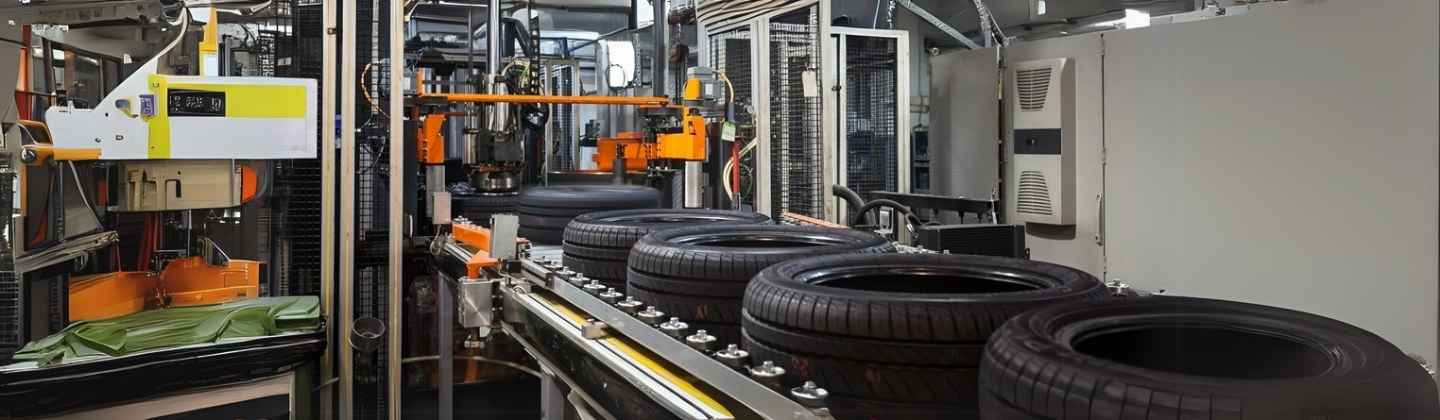
Zinc oxide (ZnO) is a critical compound in the rubber industry, celebrated for its multifaceted contributions to enhancing rubber properties. As an inorganic compound that is both white and water-insoluble, benefit of zinc oxide for rubber a pivotal role in the vulcanization process, where it acts as an activator.
This process transforms natural rubber into a more robust material, vital for industrial use. However, zinc oxide producer doesn’t end with vulcanization. It enhances heat resistance, abrasion resistance, and UV stability, making it indispensable for high-performance rubber applications.
Heat resistance is a cornerstone of durability in rubber products, particularly those exposed to high-temperature environments.
Automotive tires, engine components, and conveyor belts are prime examples of applications where heat resistance determines product longevity and reliability. When rubber is exposed to excessive heat, it risks degradation, leading to a loss of elasticity, brittleness, and cracking.
These failures can significantly shorten the product's lifespan, compromising safety and functionality. For example, automotive tires that cannot withstand heat buildup during operation may suffer blowouts or structural breakdown, posing serious risks.
Hence, ensuring excellent heat resistance is fundamental to maintaining the mechanical performance and safety of rubber products across industries.
Zinc oxide serves as a game-changer in boosting rubber's heat resistance, thanks to its unique chemical and physical properties.
During vulcanization, it acts as a catalyst, facilitating the formation of cross-links between polymer chains. This creates a sturdy network within the rubber matrix, which not only fortifies the material but also significantly improves its ability to withstand high temperatures.
Moreover, zinc oxide producer plays a key role as a heat stabilizer. It prevents oxidation and thermal degradation by reacting with sulfur during vulcanization to form strong chemical bonds.
These bonds enhance the thermal stability and mechanical strength of rubber compounds, allowing them to endure extreme conditions without deteriorating. Additionally, zinc oxide improves thermal conductivity, which helps disperse heat evenly and reduces the risk of localized heat buildup.
The inclusion of zinc oxide in rubber formulations thus yields materials that perform reliably under high stress, making them ideal for demanding applications such as automotive tires, industrial belts, and heavy-duty machinery. This dual function of improving both durability and heat resistance ensures that rubber products maintain their integrity and performance even under the most challenging conditions.
This heat resistance is particularly vital for industries like automotive, construction, and manufacturing, where rubber products are subjected to extreme conditions.
The benefit of zinc oxide for rubber lies in its ability to enhance heat resistance, a crucial factor for the longevity and reliability of rubber products in demanding environments.
By improving thermal stability, durability, and overall performance, zinc oxide cements its role as an indispensable component in rubber manufacturing. For industries relying on high-performance materials, zinc oxide ensures safety, efficiency, and extended product life.
