

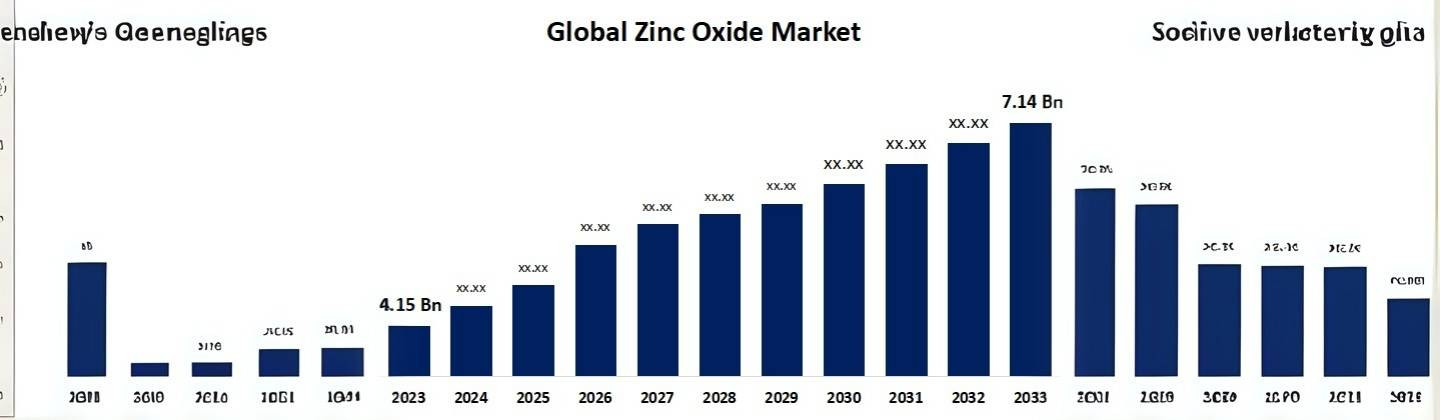
Zinc oxide is a crucial industrial compound with widespread applications in rubber manufacturing, ceramics, pharmaceuticals, and coatings.
The zinc oxide price per ton fluctuates due to various global factors, including supply and demand trends, economic conditions, and regulatory influences. Businesses that rely on zinc oxide must stay updated on price movements to optimize procurement strategies.
This article explores key factors influencing zinc oxide price per ton, global market dynamics, and economic considerations affecting costs.
The cost of zinc oxide per ton is influenced by several interrelated factors, including market demand, production levels, raw material costs, and economic policies. Understanding these aspects can help businesses make informed purchasing decisions and anticipate future price shifts.
The demand for zinc oxide is largely driven by industries such as tire manufacturing, ceramics, and pharmaceuticals. A rise in demand from these industries can push the zinc oxide price per ton higher. Conversely, if major industries slow down, prices may drop due to reduced consumption.
On the supply side, production levels in key markets like China play a significant role. An increase in production often leads to oversupply, putting downward pressure on prices. However, logistical challenges, labor shortages, or supply chain disruptions can restrict production, driving prices upward.
Additionally, companies managing their inventories to avoid overstocking or understocking also contribute to short-term price fluctuations. The pricing of zinc ash also affects overall zinc oxide costs, as it serves as a raw material alternative in some production processes.
Economic policies, geopolitical tensions, and trade regulations can significantly impact zinc oxide pricing.
Government-imposed tariffs and trade restrictions can either inflate or stabilize prices depending on the region. For instance, heightened trade barriers can limit the import of zinc oxide, making it more expensive in certain markets.
Geopolitical instability also plays a role in zinc oxide pricing. Supply chain disruptions caused by conflicts or economic sanctions can result in shortages, causing the zinc oxide price per ton to spike.
Additionally, monetary policies and inflation rates in key markets affect currency exchange rates, which in turn impact the cost of importing or exporting zinc oxide.
The primary feedstock for zinc oxide production is zinc ingot. Any fluctuation in the price of zinc ingots directly affects the cost of producing zinc oxide.
If zinc ingot prices rise due to scarcity or increased extraction costs, the zinc oxide price per ton follows suit. Furthermore, production costs, including energy expenses, labor costs, and technological advancements, also determine the final market price of zinc oxide.
For businesses that rely on zinc oxide for their manufacturing processes, keeping track of price trends and supplier reliability is crucial. Indo Lysaght, a reputable manufacturer, offers high-quality zinc oxide with competitive pricing.
To secure the best deals and ensure a steady supply, companies should partner with trusted suppliers like Indo Lysaght. Stay updated on market conditions and optimize procurement strategies to navigate fluctuations in the zinc oxide price per ton effectively.
