

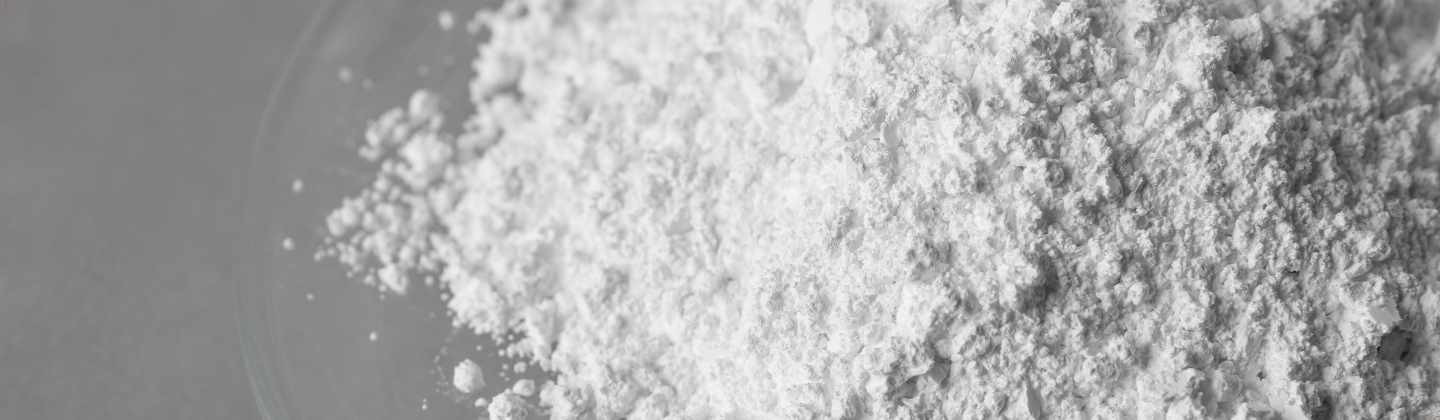
In the hot-dip galvanizing industry, zinc skimmings represent far more than waste they are a valuable secondary resource with significant recovery potential.
Every time galvanized items are withdrawn from molten zinc baths, turbulence at the surface generates skimmings that contain recoverable metallic zinc and zinc compounds.
For industrial operations seeking to maximize resource efficiency, understanding how to manage and recover value from zinc skimmings is both an economic and environmental imperative.
Before exploring specific recovery pathways, it helps to understand what makes these by-products worth processing. The composition and characteristics of galvanizing residues create multiple opportunities for material recovery.
Zinc skimmings typically contain substantial amounts of zinc in various forms, including metallic zinc, zinc oxide, and zinc chloride.
Studies show that hot-dip galvanizers can lose up to approximately 15% of their zinc into ash and skimming residues, representing considerable embedded value. This residual zinc content forms the foundation for all subsequent recovery efforts.
Through physical treatment methods such as crushing, screening, and magnetic separation, coarse metallic zinc globules can be isolated from finer oxide-rich ash.
Screening material larger than 1 mm can yield fractions containing over 90% zinc, suitable for direct charging into melting furnaces.
Advanced techniques like high-force filtration have demonstrated recovery rates of approximately 93.7% from slag materials.
Beyond metallic recovery, zinc skimmings serve as feedstock for producing zinc oxide, zinc dust, and chemical compounds such as zinc chloride and ammonium chloride.
Hydrometallurgical treatments using leaching agents can convert these residues into zinc-rich solutions for manufacturing functional materials, including electrospun zinc oxide nanofibers for specialized applications.
This versatility transforms what was once waste into multiple product streams.
Implementing recovery systems directly addresses material loss inherent in the galvanizing process.
By capturing and processing skimmings on-site or through specialized recyclers, facilities can reclaim zinc that would otherwise leave the operation as waste. This closed-loop approach minimizes the net consumption of primary zinc resources.
The secondary zinc industry exemplifies circular economy principles by converting galvanizing by-products back into usable metal.
Companies like Rezinal and Metalsider2 specialize in transforming crude zinc skimmings into high-quality secondary zinc metal with purity levels reaching 98.5% minimum.
This recycled zinc returns to galvanizing baths, brass production, or zinc oxide manufacturing, reducing dependence on primary zinc extraction.
Effective management requires systematic handling from collection through final recovery. Each step influences the quality and value of recovered materials.
Keeping zinc skimmings distinct from dross, dust, and other residues simplifies downstream processing and improves recovery yields. Dedicated collection systems prevent cross-contamination that could complicate separation or reduce the purity of recovered zinc.
Chemical analysis determines the composition of skimmings, including metallic zinc percentage, oxide content, and contaminant levels. This information guides the selection of appropriate recovery routes and helps establish realistic expectations for material yields.
Proper handling practices minimize the introduction of oils, dirt, ferrous materials, and moisture that complicate processing. Using appropriate tools such as scrapers, shovels, or vacuum systems while maintaining clean storage conditions preserves material quality.
Depending on analysis results, skimmings may undergo smelting, roasting, leaching, or physical separation. Chlorine-contaminated skimmings require specialized electrolytic refining to capture chlorine gas while recovering elemental zinc. Oxide-rich fractions may be better suited for chemical conversion into zinc compounds.
Recovered zinc must meet specifications for its target use, whether returning to galvanizing baths, alloy production, or chemical manufacturing. Quality control ensures that recycled materials perform equivalently to primary zinc in their intended applications.
For industrial facilities engaged in galvanizing operations, zinc skimmings represent an opportunity to recover value while advancing sustainability goals.
Proper management of zinc skimmings through systematic collection, characterization, and processing enables facilities to reclaim metallic zinc and zinc-bearing compounds that would otherwise be lost.
As the secondary zinc industry continues to develop more efficient recovery technologies, the economic and environmental case for processing these materials only strengthens.
For organizations seeking reliable zinc supply to support galvanizing and related industrial applications, Indo Lysaght provides comprehensive zinc solutions tailored to operational requirements.
Our product range addresses the diverse needs of industrial clients seeking consistent quality and dependable supply for their manufacturing processes.
