

A small difference in chemical terminology can create major discrepancies in product specifications, formulation calculations, and quality control.
In industrial procurement, understanding zinc as zinc oxide is essential because elemental zinc and zinc oxide are related but not interchangeable terms.
The phrase “zinc as zinc oxide” generally describes the amount of elemental zinc supplied through zinc oxide, rather than the total weight of the zinc oxide compound itself. Zinc refers to the elemental mineral value, while zinc oxide refers to the chemical compound used as a source of zinc.
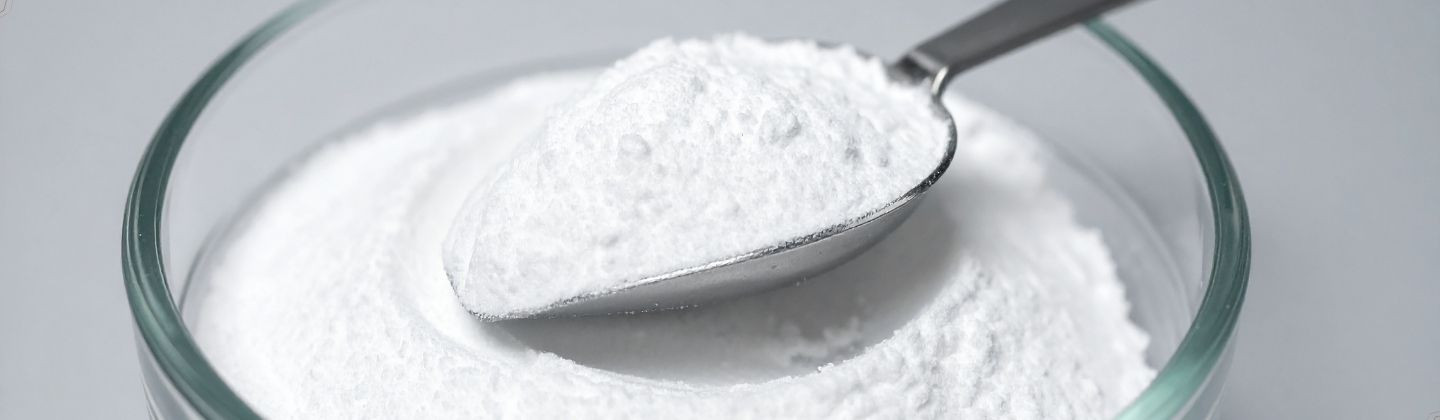
Zinc oxide, written as ZnO, contains zinc and oxygen in a fixed chemical composition. By molecular weight, zinc contributes approximately 80.3% of ZnO, while oxygen accounts for approximately 19.7%. As a result, 100 kilograms of pure zinc oxide contains roughly 80.3 kilograms of elemental zinc.
This distinction matters when calculating material requirements. For example, a specification that requires a certain amount of elemental zinc cannot be interpreted as an equivalent amount of zinc oxide by weight. The actual calculation must consider the ZnO purity and its elemental zinc contribution.
Zinc oxide is widely used in rubber, plastics, ceramics, glass, paints, lubricants, adhesives, batteries, pharmaceutical materials, and other industrial applications. Its functional properties include high refractive index, thermal conductivity, UV protection, antibacterial characteristics, and chemical stability.
PT Indo Lysaght manufactures zinc oxide in powder and granular forms for various material and product applications. The company’s product specifications include ZnO purity levels from 99.500% to 99.900%, depending on the selected grade.
Before selecting a material, it is important to understand how terminology, composition, and end-use requirements affect product suitability. The following mistakes frequently lead to inaccurate calculations or unsuitable material selection.
Elemental zinc is the chemical element represented by the symbol Zn. Zinc oxide is a compound formed when zinc combines with oxygen. Although zinc oxide provides zinc, the compound also contains oxygen and therefore has a different molecular weight and chemical behavior.
Using the terms as if they were identical can result in incorrect formulas, inaccurate purchasing quantities, and inconsistencies between technical documents.
The total weight of zinc oxide is not equal to its elemental zinc content. Pure ZnO contains approximately 80.3% elemental zinc. Commercial-grade material may provide slightly less elemental zinc because of purity levels, moisture, ignition loss, and other measurable components.
For reliable calculations, review both the ZnO purity and the required elemental zinc content. A certificate of analysis can help verify whether the supplied batch meets the agreed specification.
Zinc oxide requirements vary according to the intended application. Rubber processing, paints, ceramics, feed materials, pharmaceutical products, and other industries may require different purity levels, particle characteristics, packaging, and compliance documentation.
PT Indo Lysaght offers product options with different specifications, including pharmaceutical and industrial-oriented grades. Its zinc oxide is available in standard bags as well as larger packaging formats, subject to customer requirements.
Purity alone does not provide a complete picture of product quality. Impurity limits for lead, cadmium, iron, manganese, copper, chloride, moisture, and hydrochloric-acid insoluble content may be critical for sensitive formulations.
PT Indo Lysaght publishes specifications for these parameters across its zinc oxide grades. This information allows purchasing and technical teams to compare material suitability before production begins.
Statements about safety, performance, or suitability should be supported by technical data and applicable compliance requirements. Product claims should not rely only on general information about zinc oxide.
PT Indo Lysaght reports certifications and standards including REACH, FAMI-QS, SNI, PROPER, ISO 9001, and ISO 14001. However, the appropriate grade and documentation should still be reviewed against the specific application and local requirements.
Understanding zinc as zinc oxide helps companies calculate formulations accurately, select the right grade, and maintain consistent product quality.
By evaluating elemental zinc content, ZnO purity, impurity limits, physical form, and compliance documentation together, customers can choose zinc oxide from PT Indo Lysaght with greater technical confidence.
