

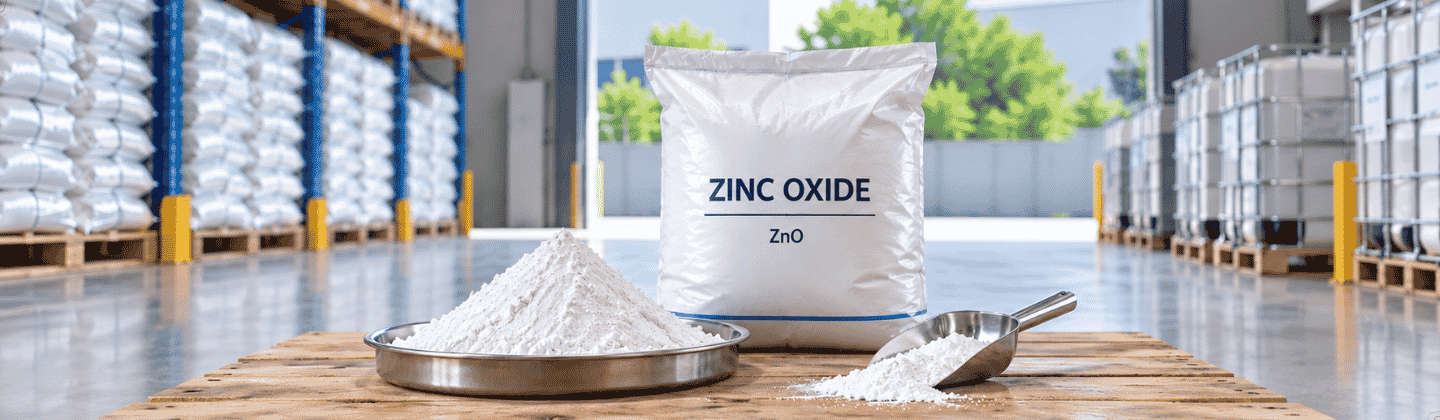
Zinc oxide remains one of the most versatile inorganic materials across manufacturing sectors, yet understanding zinc oxide shelf life is critical for procurement teams managing inventory and quality assurance.
Unlike organic compounds, pure zinc oxide powder does not truly expire or decompose through natural aging. However, environmental exposure and handling practices can significantly affect its performance characteristics over time.
This guide explains what shelf life means for zinc oxide, the factors that influence material quality, and best practices for storage to preserve optimal handling properties in industrial applications.
Before diving into storage recommendations, it helps to understand what "shelf life" represents for this mineral compound.
As an inorganic mineral element, pure zinc oxide (ZnO) does not expire or rot in the conventional sense. The compound cannot naturally degrade through time alone because it lacks organic structures that break down.
However, manufacturers assign shelf life periods typically ranging from 12 to 36 months from the date of manufacture based on expected performance under proper storage conditions.[
The assigned zinc oxide shelf life reflects the timeframe during which the material maintains specified physical and chemical properties when stored correctly.
Beyond this period, zinc oxide may undergo slow carbonation, reacting with carbon dioxide in ambient air to form zinc carbonate (ZnCO₃), particularly when exposed to moisture or high surface area grades.
This transformation can introduce hard particulates that affect dispersion in sensitive applications such as rubber compounding.
Several environmental and handling variables can accelerate quality changes in zinc oxide powder, even within the manufacturer's stated shelf life window.
Humidity represents the primary threat to zinc oxide stability. Storage environments exceeding 65% relative humidity can accelerate carbonation reactions and cause powder agglomeration.
Moisture absorption leads to clumping, which compromises flow properties and creates challenges during dispensing and mixing operations.
Original packaging provides critical barriers against air and humidity infiltration. Kraft paper bags offer less protection compared to fiber drums with plastic liners or polypropylene FIBC (flexible intermediate bulk containers).
Compromised seals, tears, or punctures allow ambient air and moisture to contact the powder directly, accelerating quality degradation.
Foreign materials introduced during handling whether from dirty equipment, cross-contamination with other powders, or environmental debris can alter zinc oxide's chemical composition and physical behavior.
Contaminants may interfere with reactivity, dispersion characteristics, or final product performance in downstream applications.
Storing zinc oxide in areas subject to temperature fluctuations, direct sunlight, or proximity to heat sources can compromise material integrity. Ideal storage maintains consistent, moderate temperatures in dry, ventilated indoor environments away from incompatible materials.
Each time a package opens, fresh air and potential contaminants enter. Once a factory-sealed pallet unit breaks, bags should ideally be consumed within six months, with opened bags used within one month to minimize quality risks.
Frequent access accelerates exposure cycles that promote carbonation and moisture absorption.[
Proper storage practices extend the functional zinc oxide shelf life and maintain material performance throughout its intended use period.
Maintain storage areas with controlled humidity levels below 65% RH. Use dehumidifiers in humid climates and avoid floor-level storage where moisture accumulation occurs. Elevated pallets and dry, cool warehouses provide optimal conditions for long-term preservation.
Always reseal bags tightly after each use and inspect packaging integrity regularly. For extended storage, consider transferring zinc oxide to moisture-proof containers or using original packaging with intact inner liners.
Fiber drums and FIBC sacks with plastic barriers offer superior protection compared to standard kraft bags.
Implement handling protocols that minimize environmental exposure. Use clean, dedicated equipment for zinc oxide dispensing to prevent cross-contamination. Store away from food, beverages, and incompatible chemicals as specified in safety data sheets.
Adopt first-in, first-out (FIFO) inventory management to ensure older stock moves before newer deliveries. Once opened, prioritize using bags within the recommended one-month window. For operations with intermittent usage, consider smaller package sizes to reduce repeated exposure cycles.
Understanding zinc oxide shelf life empowers procurement and operations teams to make informed decisions about inventory management, storage infrastructure, and quality assurance protocols.
While zinc oxide does not truly expire, environmental factors particularly moisture, packaging integrity, and handling practices determine whether the material maintains its specified performance characteristics throughout its intended service life.
For organizations seeking reliable zinc oxide supplies with consistent quality and proper packaging, Indo Lysaght stands as a trusted manufacturer serving both domestic and international markets.
With eco-friendly production processes and globally recognized quality standards, Indo Lysaght delivers zinc oxide products supported by comprehensive technical documentation and safe distribution practices to 16 countries worldwide.
Proper zinc oxide shelf life management begins with sourcing from manufacturers committed to quality and continues through disciplined storage and handling protocols at your facility.
