

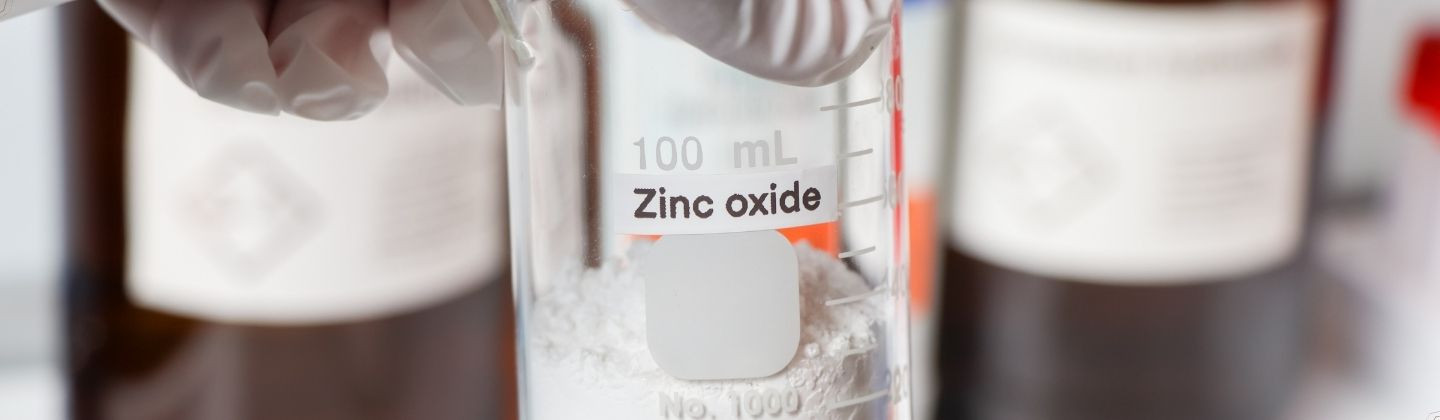
Zinc oxide therapeutic use continues to anchor trusted, regulated topical formulations that protect skin from moisture, irritants, and UV exposure.
As a time-tested active with well-documented safety and performance, zinc oxide enables brands to deliver reliable therapeutic benefits while meeting strict regulatory expectations.
For manufacturers partnering with Indo Lysaght, this means access to high-purity zinc oxide suited for compliant skin protectants, diaper rash actives, mineral sunscreen actives, and products addressing minor skin irritation.
Zinc oxide functions as a physical barrier and UV-filtering mineral that sits on the skin’s surface to shield against external stressors. Its broad acceptance across major markets stems from consistent safety data, clear monograph pathways, and decades of clinical use in dermatology and pediatric care.
Below are the core therapeutic roles that define zinc oxide therapeutic use in regulated topical products.
As a skin protectant, zinc oxide forms an occlusive layer that reduces transepidermal water loss and blocks contact with irritants such as urine, feces, friction, and harsh cleansers.
Regulatory monographs recognize zinc oxide in the 1–40% range for skin protectant claims, with creams, lotions, gels, and ointments permitted at 1–25% and ointments specifically allowed up to 40% for thicker barrier pastes.
This flexibility allows formulators to tailor texture and protection level while maintaining compliant labeling.
In diaper care, zinc oxide therapeutic use is centered on preventing and treating diaper dermatitis by sealing out wetness and soothing inflamed skin.
Typical inclusion rates span 5–10% for mild daily prevention, 10–20% for standard rash protection, and 25–40% for severe irritation care in dense ointments.
Labels may state “helps treat and prevent diaper rash” and “helps seal out wetness” when aligned with applicable OTC monographs and local regulations.
Zinc oxide is a globally accepted mineral UV filter that provides broad-spectrum UVA and UVB protection. The FDA, EU, UK, and other authorities cap zinc oxide at 25% in sunscreen formulations, with 10–25% commonly used to achieve SPF 30–50+ depending on particle size, dispersion, and co-filters.
Because it is non-combustible, photostable, and suitable for sensitive skin, zinc oxide remains a cornerstone of mineral sunscreen strategies.
Beyond diaper and sun care, zinc oxide supports claims for minor skin irritations such as chafing, windburn, and mild abrasions by creating a protective film that calms and shields compromised skin.
Concentrations of 1–25% are typical in creams and ointments marketed for these indications, with higher percentages reserved for therapeutic pastes. This versatility makes zinc oxide a strategic active for multi-use topical portfolios.
Making therapeutic claims requires disciplined formulation, testing, and regulatory alignment. Indo Lysaght supports partners with high-purity zinc oxide and documentation that underpins compliant product development.
The following checkpoints help ensure claims are substantiated and market-ready.
Define whether the product is a skin protectant, diaper rash treatment, mineral sunscreen, or minor irritation reliever, as each category maps to different monographs, labeling rules, and claim language.
Clear intended use drives the entire regulatory pathway and determines which zinc oxide therapeutic use statements are permissible.
Confirm that zinc oxide’s function—barrier, UV filter, or protectant—matches the intended claim and that the base (cream, lotion, ointment) supports that function. For example, ointments better accommodate 25–40% zinc oxide for high-barrier diaper products, while lotions and gels suit 1–25% for lighter skin protectants.
Align zinc oxide percentage with local monograph limits and claim-specific ranges: up to 25% for sunscreens; 1–40% for skin protectants with ointments allowing the highest levels; and 5–40% for diaper rash products depending on severity positioning.
Label directions must reflect safe use, reapplication frequency, and age-group considerations where applicable.
Compile safety dossiers including toxicology summaries, stability data, microbiological limits, and, where relevant, SPF/UVA testing for sunscreens or clinical/performance data for barrier claims. Robust evidence strengthens regulatory submissions and supports zinc oxide therapeutic use messaging with confidence.
Map each target market’s rules—FDA OTC monographs in the U.S., EU Cosmetics Regulation and SCCS opinions, UK Cosmetics Regulation, and ASEAN or BPOM requirements in Southeast Asia. Indo Lysaght can provide certificates of analysis, MSDS/SDS, and export documentation to facilitate compliance across jurisdictions.
With zinc oxide therapeutic use firmly established across barrier, diaper, sunscreen, and minor irritation categories, the path to compliant, high-performing topicals starts with the right raw material partner.
Indo Lysaght stands ready to supply pharmaceutical- and cosmetic-grade zinc oxide that meets rigorous quality and documentation standards for regulated topical products.
